Understanding Nicotine Pouch Safety: What to Look For
Why Safety Matters with Nicotine Pouches
Nicotine pouches have become a popular alternative for people who want a nicotine hit without smoking or vaping. They are small, discreet, and require no inhalation. But as with any product that delivers a stimulant, it is sensible to understand what makes them safe and what risks might be involved. This article walks through the main things to consider so you can make informed choices.
Nicotine pouches are tobacco-free. They contain nicotine extracted from the tobacco plant, along with plant fibres, flavourings, and a few other ingredients. The pouch sits between your gum and lip, and nicotine is absorbed through the lining of your mouth. Because there is no combustion, no smoke, and no vapour, many of the harmful chemicals linked to smoking are absent. But that does not mean nicotine pouch safety is automatic. It depends on how the product is made, how it is used, and who is using it.
What Affects Nicotine Pouch Safety
Several factors determine whether a nicotine pouch is safe for regular use. The most important ones are ingredient quality, nicotine strength, manufacturing standards, and individual health conditions. Let us look at each one.
Ingredients and Additives
Most reputable nicotine pouches contain a short list of ingredients: nicotine, water, plant fibre (often eucalyptus or pine), stabilisers, and flavourings. The fewer and simpler the ingredients, the easier it is to assess safety. Some brands add sweeteners or artificial flavourings that could cause mouth irritation over time. If you have sensitive gums, it is worth trying unflavoured or lightly flavoured pouches first. The plant fibre itself is generally inert, but the moisture content and pH level of the pouch affect how quickly nicotine is released. A well-balanced product will deliver nicotine steadily and avoid sudden spikes that might cause nausea or dizziness.
Nicotine Strength
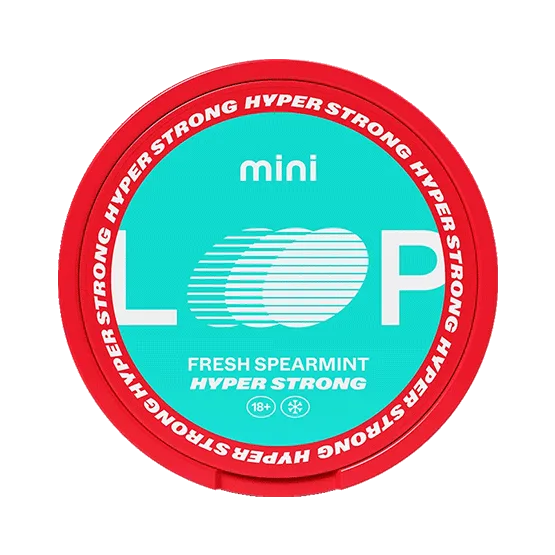
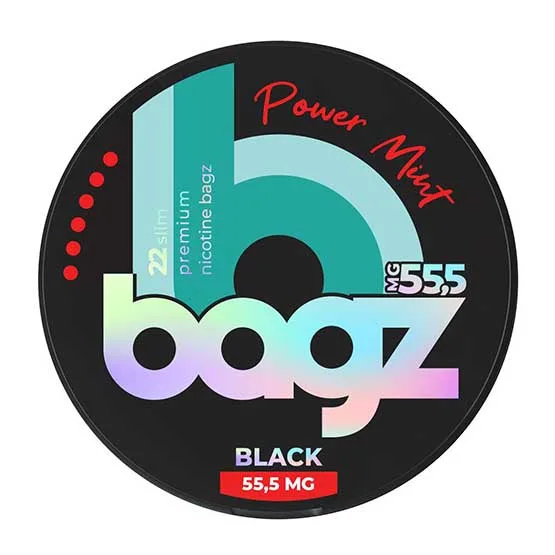
Nicotine pouches come in a wide range of strengths, from around 2 mg per pouch to over 50 mg. For perspective, a typical cigarette delivers about 1 to 2 mg of absorbed nicotine. A 10 mg pouch is therefore much stronger than a single cigarette. Using a strength that is too high for your tolerance is the most common cause of side effects: headache, nausea, increased heart rate, and hiccups. It is also possible to develop nicotine dependence more quickly with high-strength products. Starting with a lower strength and working up if needed is a practical approach. The key is to match the strength to your current intake, not to what you think you can handle.
Manufacturing and Quality Standards
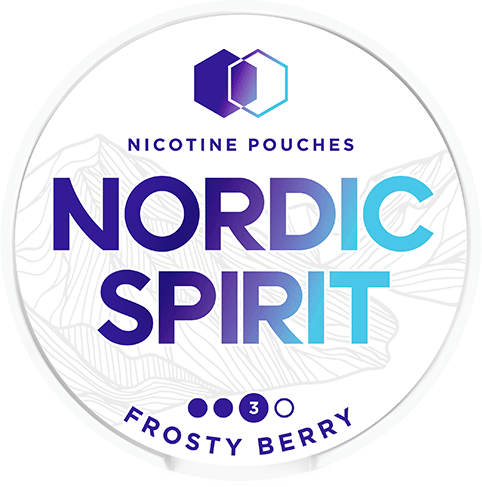
Not all nicotine pouches are made to the same standard. In the UK, products sold legally must comply with General Product Safety Regulations, which require that they are free from harmful contaminants and properly labelled. However, the market includes many imported brands that may not meet those standards. Some pouches from outside the EU or UK have been found to contain heavy metals or inconsistent nicotine levels. This is where nicotine pouch safety becomes a matter of buying from a trusted retailer who sources from reputable manufacturers. Look for brands that publish their ingredient lists and have their products tested by third parties. Swedish Match, Velo, Zyn, and Nordic Spirit are examples of brands with established quality controls, but there are others. The main point is that you want a product that is consistent batch to batch.
How to Use Nicotine Pouches Safely
Even with a high-quality product, how you use it matters. Here are a few practical guidelines.
- Start with a lower strength if you are new to pouch products. Your tolerance builds over time, and it is easier to add strength than to deal with a bad reaction.
- Keep the pouch in place for the recommended time, usually 10 to 30 minutes. Leaving it in longer does not mean more nicotine; it can lead to gum irritation and a bitter taste.
- Do not swallow the pouch or the contents. The pouch is meant to be used once and then discarded.
- Rotate the position of the pouch in your mouth to avoid prolonged contact with the same spot on your gum. This reduces the risk of localised irritation or soreness.
- Stay hydrated. Nicotine can cause dry mouth, and a dry mouth is more prone to irritation.
These habits are simple but they make a real difference to your experience and to your long-term oral health.
Health Considerations and Who Should Avoid Pouches
Nicotine is a stimulant and it raises your heart rate and blood pressure. If you have a pre-existing cardiovascular condition, you should check with a doctor before using any nicotine product. The same applies if you are pregnant, breastfeeding, or under 18. Nicotine can also affect blood sugar levels, so people with diabetes may need to monitor their response. For most healthy adults, moderate use of nicotine pouches carries low risk, but it is not zero risk. The main concerns are nicotine dependence and potential gum or tooth issues over many years of use. Research on long-term pouch use is still limited compared to studies on smoking or vaping, so caution is wise.
Comparing Pouches to Other Nicotine Products
One way to think about nicotine pouch safety is to compare it with the alternatives. Cigarettes cause lung cancer, heart disease, and many other health problems because of the toxins in smoke. Vaping avoids combustion but the long-term effects of inhaling vapour ingredients are not fully understood. Nicotine pouches remove the inhalation step entirely, which eliminates the risks to your lungs. But they are not risk-free. They still deliver nicotine, which is addictive, and they can irritate your mouth if used poorly. For someone who already smokes or vapes, switching to pouches is generally considered a harm reduction move. For someone who has never used nicotine, starting with pouches is not recommended because there is no benefit to creating a new habit.
What to Look for When Buying Nicotine Pouches
If you are buying pouches, here is a quick checklist.
- Check the label for ingredients and nicotine content. Avoid products that do not list what is inside.
- Look for a batch number and expiry date. This shows the product is tracked.
- Buy from a UK-based seller who follows local regulations. This gives you legal protection if something is wrong.
- Read reviews from other users, but take them with perspective. One person's favourite pouch might be another's irritation trigger.
A thoughtful approach to nicotine pouch safety means paying attention to these details rather than assuming all pouches are the same. The market has grown quickly, and standards vary.
In the end, safe use comes down to three things: a product you can trust, a strength that matches your needs, and sensible usage habits. If you keep those in mind, nicotine pouches can be a practical way to manage your nicotine intake without the harms of smoking. But if you have any doubts about your health or your ability to use them responsibly, it is always worth talking to a healthcare professional.
Corrections
Spot something wrong? Send it to the desk and it gets fixed in the open.